Trying to make sense of the Pittsburgh housing market right now? You are not alone. Whether you are buying your first place or moving up, knowing what to watch can save you time and help you write stronger offers. In this guide, you will learn the key metrics, the seasonal patterns in Allegheny County, and how to adjust your search and offer strategy by neighborhood. Let’s dive in.
Key metrics to watch
Understanding a few core indicators will help you decide how fast to move and how to structure your offer.
- Inventory and months of supply: Low supply means more competition and faster decisions. When months of supply is under roughly 3 months, expect multiple offers and tight timelines. When it rises toward 4 months or more, buyers often have more leverage and choices.
- Median sale price and list price: These show overall price direction and affordability pressure. Track both year over year and month over month to separate long‑term trend from short‑term shifts.
- Days on market (DOM): Short DOM signals strong demand and urgency. If DOM is falling, plan to tour quickly and be offer‑ready.
- New listings vs pendings: If new listings rise but pendings do not, competition may be easing. If both rise together, momentum is strong and faster action is smart.
- Price per square foot and list‑to‑sale ratio: These help you compare neighborhoods and gauge negotiation room on specific homes.
Pittsburgh market context
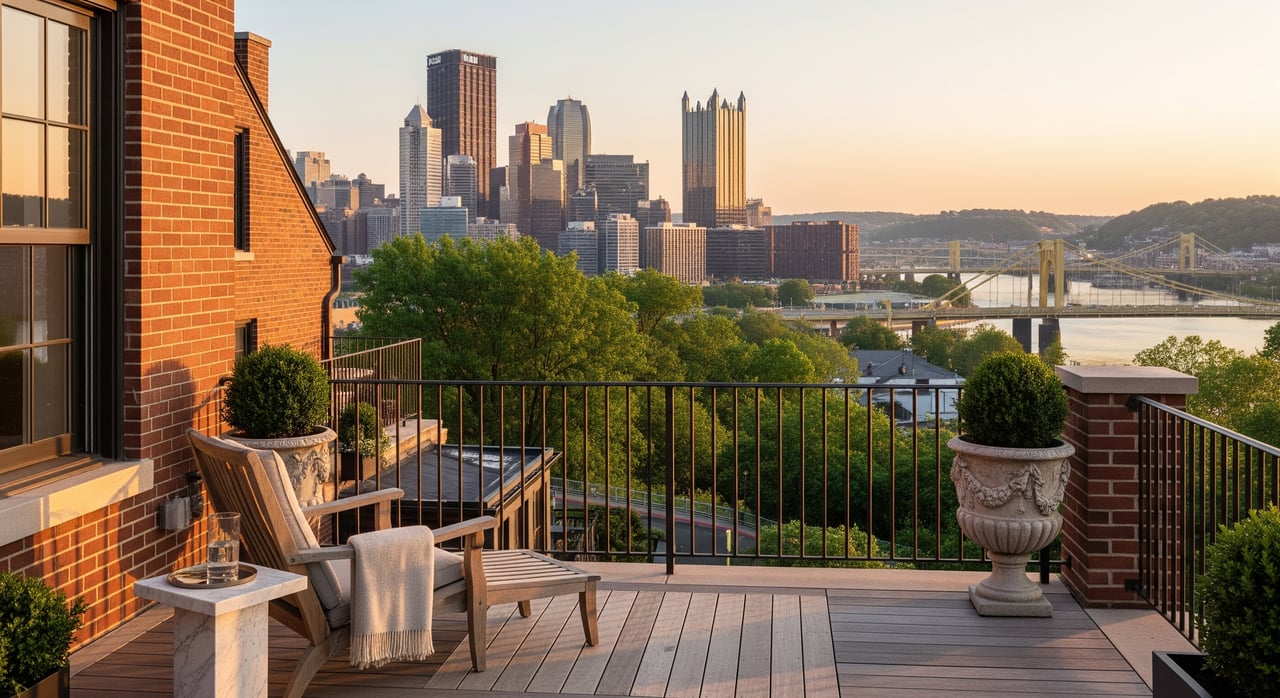
Pittsburgh has been less volatile than many national metros. Price growth often trails faster coastal markets, which can help buyers plan without extreme swings. Demand is supported by major employers in healthcare, universities, and tech.
Conditions vary by submarket. Central neighborhoods like Shadyside, Squirrel Hill, Lawrenceville, Highland Park, Bloomfield, and East Liberty often have lower inventory, higher price per square foot, and faster DOM than many suburbs. Align your expectations with your target area rather than treating the county as one uniform market.
Seasonality and timing
Pittsburgh follows a clear seasonal rhythm that should shape your search plan.
- Spring (Mar–May): Busiest season with more listings and more buyers. You get more options, but you must act quickly.
- Summer (Jun–Aug): Activity stays solid. Late summer can see a slight dip in competition as families settle for the school year.
- Fall (Sep–Oct): Volume cools. Good balance of selection with less competition than spring.
- Winter (Nov–Feb): Slowest season. Fewer listings, but sellers may be more flexible on price and terms.
Local nuances matter. University‑adjacent areas see cycles tied to academic calendars, and winter weather can slow showings. If you value negotiation leverage, late fall into winter can be a strong window. If you want the most choices, target late winter into spring and be ready to move fast.
Tour and offer timing
The right pace depends on your target neighborhood and what the data shows.
- Hot zones: In places like Shadyside and Lawrenceville, be prepared to tour within 24 to 48 hours of a listing. Have your pre‑approval and proof of funds ready to share with an offer.
- Broader searches: If you are open to multiple areas or want more negotiation room, plan viewings in late fall or winter. You may see fewer competing buyers at each showing.
- Weather tips: In winter, plan for safe access and ask inspectors to check drainage and basement moisture after snow or rain.
Neighborhood differences buyers feel
- High‑demand city neighborhoods: Walkable areas with strong amenities often see faster DOM and higher per‑square‑foot pricing. Narrow your search radius and expect quicker decisions.
- University and medical districts: Oakland and nearby areas have rental‑heavy patterns and turnover tied to academic schedules. Plan around lease timelines if you are weighing condos, duplexes, or investment options.
- Suburban rings: Communities like Mt. Lebanon, North Hills, and South Hills offer larger single‑family homes and more inventory variety. You may have more room to negotiate on price and contingencies. Use commute and property condition to guide value.
- Exurban pockets: Outlying parts of Allegheny County can offer more land and lower price per square foot. Factor commute time, utilities, and maintenance into total cost.
Older homes and inspections
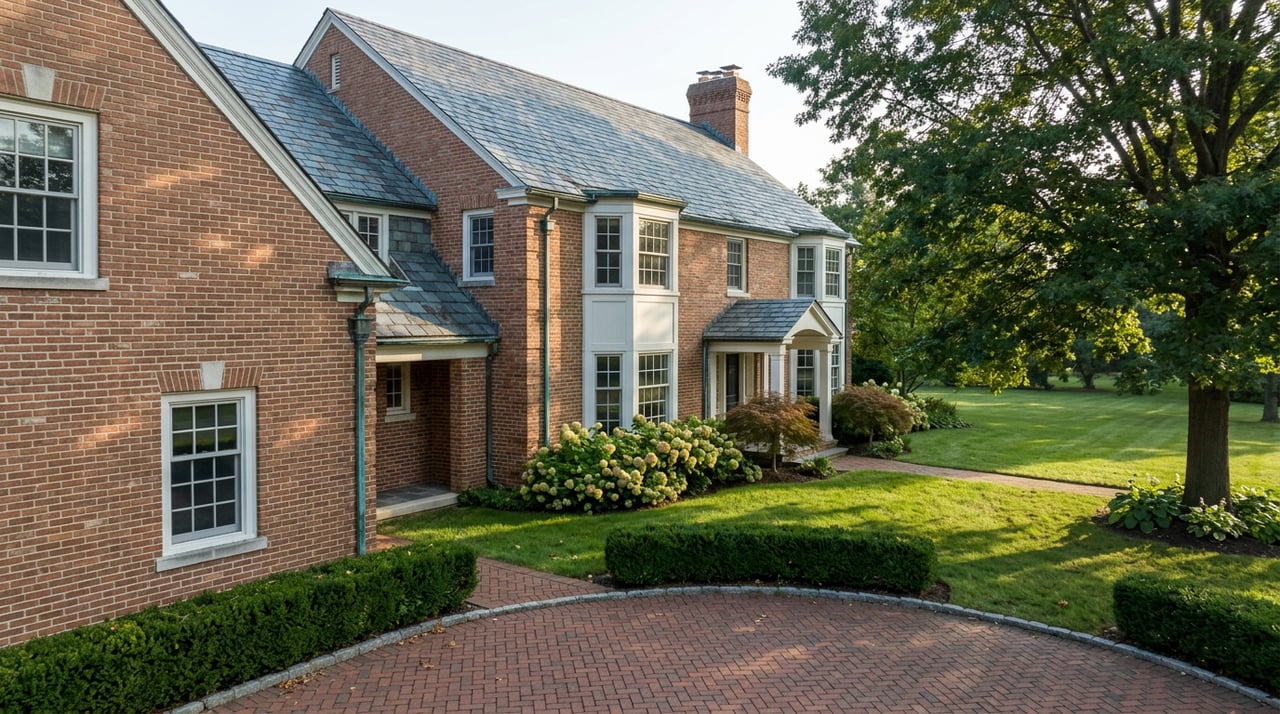
Pittsburgh has a large share of older housing stock, including pre‑1950s homes.
- Common issues to watch: Roof age, foundation and basement water, lead paint, older wiring such as knob‑and‑tube, aging HVAC, and insulation. Radon testing is recommended in Pennsylvania.
- Buyer moves: Always include a general home inspection. Add specialized inspections as needed for foundation, sewer or septic, HVAC, or mold. Budget for near‑term repairs even if a home looks move‑in ready.
External drivers to track
Beyond housing data, several outside factors shape the market.
- Mortgage rates: Small rate changes can shift your payment and buying power. Get pre‑approved and discuss rate‑lock options when you are offer‑ready.
- Jobs and population: Hiring or expansion by local hospitals, universities, and tech firms can affect neighborhood demand. Watch local news and economic reports for signals.
- New construction: Townhome and condo projects, including infill options in neighborhoods like Lawrenceville and the Strip District, can add choices. Track permits and builder announcements.
- Rental market: Tight rental vacancy can draw more investors into entry‑level price points, which may affect competition for smaller singles and multi‑units.
- Taxes and rules: Property taxes, homestead exemptions, and condo association policies change ownership costs. Review municipal and county resources before you write.
- Environmental considerations: Pittsburgh’s topography and older infrastructure can lead to water intrusion concerns. Plan for radon testing and discuss stormwater management during inspections.
Set up smarter searches
Dial in your alerts and filters so you do not miss the right home.
- Geography: Create separate searches for each target neighborhood rather than one broad county search.
- Price bands: Set multiple ranges near your budget ceiling to catch listings that shift price during the first weeks.
- Property type: Filter by single‑family, townhome, condo, and include rowhouse and duplex categories where relevant.
- Days on market: Use two alerts: a 0 to 3 day “new” alert and a 60+ day “value” alert.
- Features and keywords: Try terms like basement, off‑street parking, finished basement, garage, updated kitchen, and new roof.
- Schools and commute: Use school district filters or draw commute radii if your platform supports it.
- Instant alerts: Enable push or email as soon as a listing hits the market, and work with an agent who can surface options early.
Offer strategy by market type
Shape your offer to match market tightness while protecting your interests.
- Low‑inventory and high‑demand areas:
- Bring a full pre‑approval from a reputable lender.
- Consider an escalation clause if competition is intense, but set a clear cap and discuss risk before using one.
- Keep key protections like inspection and financing. Shorter contingency periods can help if your risk tolerance allows.
- Use stronger earnest money and flexible closing dates to appeal to the seller.
- Higher‑inventory or softer pockets:
- Lead with a fair price and include inspection and financing contingencies.
- Negotiate closing timeline, seller credits for repairs, or a price adjustment based on inspection findings.
- Older Pittsburgh homes:
- Plan for thorough inspections and budget for immediate maintenance.
- Clarify your repair approach in the offer to reduce confusion later.
Your buyer toolkit
Have these items ready so you can act with confidence.
- Pre‑approval letter and updated proof of funds.
- A clear inspection plan and timelines you can meet.
- A short buyer letter if appropriate for the situation, reviewed with your agent.
- A plan for appraisal and potential gaps, discussed with your lender and agent.
Where to find current stats
Ask your agent to pull the latest numbers from local sources. Monthly reports from the Greater Pittsburgh Association of REALTORS and neighborhood‑level data from the local MLS will show trends for inventory, DOM, new listings, and pricing. For broader context, national mortgage rates from the Freddie Mac Primary Mortgage Market Survey and local employment data from the Bureau of Labor Statistics can help you time your move.
Work with a local guide
Buying in Pittsburgh is about matching your goals to the right micro‑market, then moving at the right pace. With neighborhood‑specific insight, fast alerts, and clear offer strategy, you can compete without overreaching. When you are ready to talk through target areas, timing, and the right plan for inspections and financing, the Darla Kay Jobkar Real Estate Team is here to help.
FAQs
Are prices rising or falling in Pittsburgh right now?
- It depends on your submarket and timeframe, so compare year‑over‑year median sale prices and month‑over‑month pending activity, and use GPAR’s monthly report for current direction.
How fast should I act on a new listing in Shadyside or Lawrenceville?
- Plan to tour within 24 to 48 hours in high‑demand areas, while slower suburban pockets may allow more time based on DOM and pending counts.
Is winter or spring better for buying in Allegheny County?
- Winter often offers more negotiation room but fewer choices, while spring brings more inventory and more competition, so decide based on selection versus leverage.
Which inspections are essential for older Pittsburgh homes?
- Get a general inspection plus radon testing, and add specialized checks for foundation, sewer or septic, roof, HVAC, and older electrical if signs warrant.
How do mortgage rate changes affect my budget as a buyer?
- Even small rate shifts can change monthly payments and price range, so get pre‑approved and discuss rate‑lock options before you write an offer.