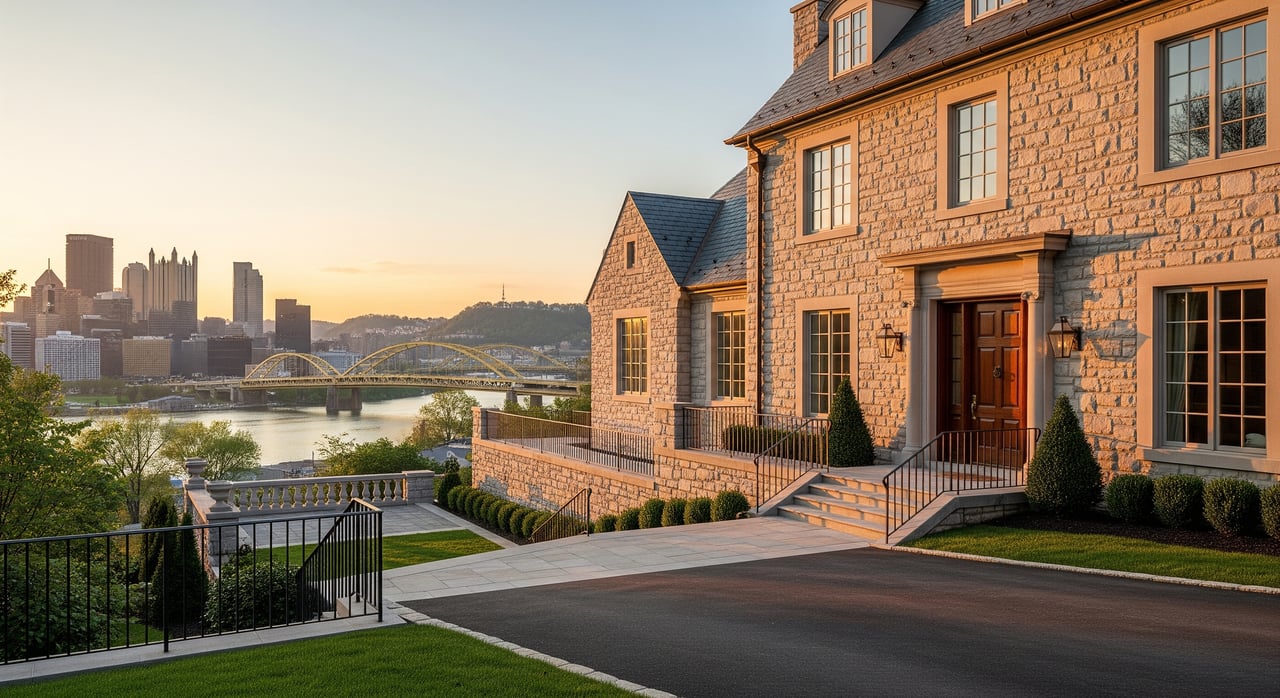
Pittsburgh Home Valuation CMA: What Your Home Is Worth
January 1, 2026
January 1, 2026
Thinking about listing your Pittsburgh home in the next few months? Pricing it right from day one can be the difference between multiple offers and sitting on the market. A professional Comparative Market Analysis, or CMA, helps you pin down a smart list price and a winning strategy. In this guide, you will see how a CMA works in Allegheny County, what affects value in our neighborhoods, and what to expect from a pricing consult with a local team. Let’s dive in.
A CMA is an agent-prepared estimate of your home’s likely market value based on comparable listings that are sold, pending, active, or expired. It reflects current market conditions and the strategy to attract the right buyers. If you plan to sell in the next 3 to 6 months, a CMA gives you a clear pricing range and timeline expectations.
Pittsburgh is highly neighborhoodized. Close-in city areas like Lawrenceville, Shadyside, Squirrel Hill, South Side, and the North Shore may price differently than suburban municipalities such as Mt. Lebanon, Bethel Park, and Fox Chapel. Property types also vary across the region, so the right comps must match style, lot, condition, and location.
Local demand drivers matter. Proximity to major employers, universities, and medical centers creates micro-markets that move at different speeds. A professional CMA uses local data from sources such as the Bright MLS for fresh inventory and sales, and the Allegheny County real property and assessment database for tax and parcel details.
We pull property basics from public records and the MLS: living area, lot size, beds and baths, year built, tax assessment, and sale history. We review recent sales and active inventory in your immediate area and nearby similar neighborhoods. We also check local permits and renovations using municipal records like the City of Pittsburgh’s OneStopPGH permits portal when applicable.
A walk-through or video review verifies condition and standout features. We note mechanicals, roof and windows, kitchen and bath updates, layout, and outdoor spaces. In Pittsburgh, a finished basement, off-street parking or a garage, and accessibility to transit or parks can meaningfully shift value.
Closed sales carry the most weight, followed by pending and active listings. Expired or withdrawn listings help us spot pricing risks. We aim to match property type, size, bed and bath count, lot and condition, parking, finished basement, and the same neighborhood or block when possible.
We analyze price per square foot for your specific neighborhood, not citywide. We review sale-to-list ratios, days on market, and months of inventory to gauge whether conditions favor sellers or buyers. We also look at median price trends and concession patterns to inform the approach.
You receive a pricing range with clear justification tied to specific comps. We discuss a recommended list price, expected days on market, and how staging or repairs could influence results. You also get a seller net estimate that outlines likely proceeds under a few scenarios, including typical closing costs and transfer taxes.
Close-in city neighborhoods often see premiums for walkability and proximity to dining, universities, and medical centers. Suburban markets have different priorities, such as lot size and garage parking. The right CMA accounts for these microtrends and block-level differences.
Older pre-war homes with historic details can command strong interest when well maintained, but they may require adjustments for condition and layout. Rowhouses and townhomes often hinge on off-street parking availability. Finished basements are common in the Pittsburgh region and can materially affect perceived living area and value.
Rivers and valleys can introduce flood zone considerations that affect insurance and buyer demand. Hillside homes may have driveway access questions, retaining walls, or view premiums that influence pricing. These items are considered and explained in your CMA.
Property tax rates and assessment practices vary across the county. A CMA should note assessed value, typical tax bills, and how they compare nearby. Transfer taxes and closing cost norms are included in the net estimate so you can plan ahead.
Historic district rules, zoning overlays, easements, and rental or HOA restrictions can influence your buyer pool and marketing plan. We review available documentation early so there are fewer surprises later.
If you plan to list in 3 to 6 months, a CMA today will set expectations and guide prep work. Update it closer to launch to reflect fresh comps and inventory. If interest rates or local conditions shift, we will refresh your CMA so your pricing strategy stays current. For market context, we also monitor regional reports and local coverage such as the Pittsburgh Post-Gazette and TribLive, as well as public datasets like the U.S. Census American Community Survey.
A professional CMA gives you confidence, sets a smart list price, and helps you plan your sale around current market realities. If you are considering a move this season, request a consult and see where your home fits in today’s market. Reach out to the Darla Kay Jobkar Real Estate Team to request a free home valuation or schedule a market consultation.


We are dedicated to helping you find your dream home and assisting with any selling needs you may have. Contact us today to start your home searching journey!