Leave a Message

Thank you for your message. We will be in touch with you shortly.

Buying a Condo on Pittsburgh’s North Shore vs Strip District

March 5, 2026

Thinking about a condo with skyline or river views and a walk-to-everything lifestyle? If Pittsburgh’s North Shore or the Strip District is on your list, you are not alone. Both neighborhoods offer low-maintenance living near dining, culture, and sports, but they feel different and come with unique costs and tradeoffs. In this guide, you will learn how each area lives day to day, what typical prices and HOA fees look like, how parking and flood risk work, and what to check in the HOA before you buy. Let’s dive in.

North Shore vs. Strip District at a glance

North Shore vibe and lifestyle

The North Shore sits along the Allegheny River just across from Downtown and is home to major anchors like stadiums, museums, and riverfront trails. The area features high-rise condos and some riverfront townhouses, offering a compact urban setting with quick access to Downtown and the North Side’s cultural spots. You will find a strong event calendar and waterfront scenery that define the neighborhood’s rhythm. Learn more about the neighborhood’s context on the North Shore overview from Wikipedia.

Strip District vibe and lifestyle

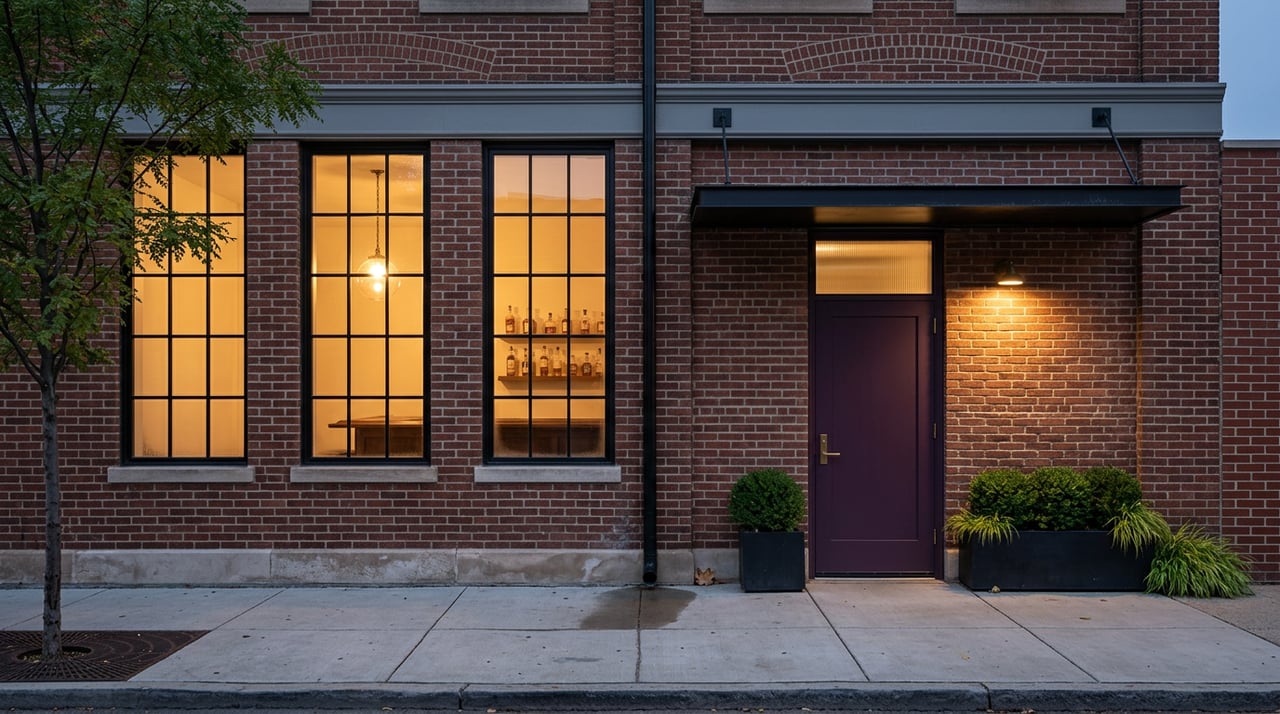
The Strip District is a former warehouse corridor turned food-and-design destination with markets, restaurants, specialty retailers, and creative offices. Residential options blend historic loft conversions with boutique and new mid-rise buildings. The feel is energetic, walkable, and design-forward, with a loyal following that values an urban lifestyle close to Downtown. For a quick primer on the area’s history and land use, see the Strip District overview. For lifestyle insights on who is moving in and why, check this neighborhood perspective from The Strip District.

What you can expect to pay

As of late 2025, reported medians and sold examples show a wide spread, so use these ranges as signposts and always verify current comps.

  • Strip District prices: Realtor.com reported a neighborhood median listing price near $760,000 in Dec 2025. Sold examples ranged from the mid $300,000s to over $1 million depending on building, size, finishes, and included parking. These figures highlight the neighborhood’s concentration of higher-end conversions and new builds.
  • North Shore prices: Many 1–2 bedroom condos in mid- and high-rise buildings commonly trade from the low $200,000s into the $400,000s. Larger or renovated units with river views can be higher. Riverfront townhouses on Washington’s Landing and similar premium properties often trade between roughly $700,000 and $1.4 million or more.
  • HOA fees: Expect wide variation by building and amenity package. In the Strip District, boutique and luxury mid-rise buildings often run about $300 to $700+ per month. On the North Shore, high-service towers can be higher, sometimes into four figures, especially if staffing and utilities are included.
  • Parking costs: If a condo does not include a deeded or assigned garage space, monthly garage parking nearby often runs about $200 to $350. Always confirm in writing what the unit includes and whether a parking space is deeded, assigned, or leased.
  • Rents and investment context: North Shore average rents have been reported around $2,091 per month, with the Strip District among the highest in the city. Rents depend on unit size, finishes, parking, and building amenities, so treat these as starting points and use current rent comps for an investment pro forma. For a snapshot of North Shore rent trends, see RentCafe’s data.

Tip: Neighborhood medians can swing with a few high-end closings. Ask your agent to pull building-level sold comps from the last 6 to 12 months and to net out any unusual concessions or parking premiums.

Building types and tradeoffs

Strip District: conversions vs. new-builds

You will see a mix of historic warehouse conversions with exposed brick and tall ceilings alongside boutique and new mid-rise condos with modern systems and terraces. Conversions deliver character and open layouts that many buyers love. New-builds often command a premium but may reduce near-term maintenance risk and include newer elevators and mechanicals. Your choice comes down to whether you value texture and loft volume or newer warranties and building systems.

North Shore: high-rises and townhouses

The North Shore leans toward high-rise, full-service condo towers and select riverfront townhouses. Many buildings prioritize river views and offer on-site management, concierge or door staff, and gyms. The value proposition is convenience and proximity to the stadiums, museums, and trails. Keep in mind that event days can change the neighborhood’s feel and noise level. If you are sensitive to sound, try to tour during a game or concert to see how the area lives in real time.

HOA and legal must-knows in Pennsylvania

Pennsylvania condos are governed by the Uniform Condominium Act, which outlines rights, disclosures, and association powers. Before you buy, ask for the full resale disclosure and read every page. You can review the statute text through the state’s resource on the Pennsylvania Uniform Condominium Act.

Documents to request and review

  • Declaration and bylaws that define unit boundaries, common elements, and voting rights.
  • Current budget, recent financial statements, and the most recent reserve study.
  • Meeting minutes for the past 12 to 24 months and any litigation disclosures.
  • Master insurance policy declarations to confirm building coverage and deductibles.
  • Rental and short-term rental rules, including any lease caps or approval steps.

For practical guidance on condo ownership and association operations, the National Association of Realtors maintains a helpful overview of condominiums.

Red flags to watch

  • No recent reserve study or low reserves alongside known capital projects.
  • Frequent special assessments or open litigation.
  • Vague or highly restrictive rental rules if you need the option to lease.

Insurance basics

  • HO-6 interior coverage: Understand what the master policy covers versus what you must insure inside the unit. Ask about loss assessment coverage and deductibles.
  • Flood coverage: If any part of the building is in a Special Flood Hazard Area, lenders usually require flood insurance. Even outside high-risk zones, many buyers still choose coverage. See the federal guidance and mapping tools at FloodSmart.

Parking, transit, and daily logistics

Parking works three ways in most buildings: deeded spaces that run with the unit, assigned limited-common spaces controlled by the HOA, or leased spaces for a monthly fee. If a listing includes parking, verify whether the space is deeded on the unit’s title and whether any lease is transferable. If you need an extra space or a guest plan, ask the HOA about waitlists, guest passes, and fees.

Both neighborhoods offer strong walkability into Downtown and access to riverfront trails. Transit options and specific routes vary by building, so confirm your daily commute by testing it during typical travel hours.

River views, floods, and insurance

River views are a major draw in both neighborhoods. They often boost a unit’s appeal and resale value, especially with protected sightlines and balconies. The tradeoff is risk awareness. Buildings near the river can fall within or near mapped flood zones. If a building or part of it lies in a Special Flood Hazard Area, a lender will likely require flood insurance. Even in lower-mapped zones, a meaningful share of claims still come from outside high-risk areas, which is why many owners choose to carry flood insurance. Use FEMA’s tools to check a building’s map status and discuss quotes with an insurance agent using the FloodSmart resources. Ask the HOA or seller for any available elevation certificate.

Investor notes: long-term and short-term

Demand drivers

  • Proximity to Downtown employers, hospitals, cultural institutions, and sports venues supports steady rental demand. The Strip District’s growth and limited for-sale inventory have helped keep interest high. For a snapshot of recent growth and conversions, see this coverage from Axios Pittsburgh and the lifestyle perspective from The Strip District.

Short-term rental taxes and rules

  • Taxes: Pennsylvania imposes a 6% state hotel occupancy and sales tax on short-term stays. Allegheny County also administers a hotel room rental tax of 7%. Operators must register and remit taxes as required. See the state’s guidance on sales, use, and hotel occupancy tax and the county’s hotel room rental tax.
  • HOA rules: Some associations limit leasing or short-term rentals. Review the governing documents and any recent rule amendments. Court decisions confirm that associations can set leasing rules in certain circumstances. You can read an example of leasing-rule enforcement context on Justia’s Pennsylvania case library.

Operating costs to model

  • HOA fees, possible parking fees, property taxes, interior insurance, and flood insurance if required.
  • Turnover and management costs for furnished or short-term use.
  • Realistic rent comps that match your unit type, finish level, and parking.

Quick buyer checklist

Use this list to organize your due diligence before you write an offer.

  • HOA declaration, bylaws, and rules and regulations. See the Pennsylvania Condominium Act for the legal framework.
  • Current budget, 2 to 3 years of financials, and the most recent reserve study. The NAR condominium resources are helpful for context.
  • Meeting minutes for the last 12 to 24 months and any litigation disclosures.
  • Master insurance declarations page and an HO-6 policy outline for your interior coverage.
  • Parking details in writing: deeded vs. assigned vs. leased and whether leases transfer.
  • Flood zone check via FloodSmart and any available elevation certificate.
  • Rental policy and short-term rental restrictions if you plan to lease.
  • Seller disclosures plus any special assessments within the last 5 years.
  • If buying as a rental, a unit rent roll or leasing history, and vacancy details.

How to choose between them

Pick the Strip District if you want loft character or newer boutique buildings in a food-forward, design-heavy neighborhood and you are comfortable with higher price points and mid-to-upper tier HOAs. Choose the North Shore if you value high-rise services, riverfront townhouses, and easy Downtown access at a broader price range. Either way, budget for HOA fees and parking, and factor flood awareness and event-day dynamics into your decision.

When you are ready, we will help you compare buildings unit by unit, review HOA health, estimate true monthly costs, and negotiate the right terms for your goals.

Ready to explore listings, tour buildings, or get a custom market read on your price range? Connect with the Darla Kay Jobkar Real Estate Team for a personal consultation.
FAQs

What are typical condo prices in the Strip District?

  • As of Dec 2025, reported medians placed the Strip District near $760,000, with sold examples ranging from the mid $300,000s to over $1 million depending on building, size, finishes, and parking.

How much do North Shore condos usually cost?

  • Many 1–2 bedroom units in mid- and high-rises trade from the low $200,000s into the $400,000s, while larger river-view units and townhouses can run higher, often $700,000 to $1.4 million or more.

What HOA fees should I expect in these neighborhoods?

  • Strip District HOAs often fall between about $300 and $700+ per month in boutique or luxury mid-rises, while North Shore high-service towers may be higher, especially if staffing and utilities are included.

Is flood insurance required for riverfront condos in Pittsburgh?

  • If a building or part of it lies in a Special Flood Hazard Area, lenders typically require flood insurance; many owners also choose coverage outside high-risk zones. Verify status using FEMA tools at FloodSmart.

Is parking usually included with North Shore or Strip District condos?

  • It depends on the building and unit. Some include deeded or assigned garage spaces, while others require a separate monthly fee that often runs about $200 to $350 for nearby garage parking.

Work With Us

We are dedicated to helping you find your dream home and assisting with any selling needs you may have. Contact us today to start your home searching journey!