First-Time Homebuyer Guide: Bloomfield vs Lawrenceville
May 21, 2026
May 21, 2026
Thinking about buying your first home in Pittsburgh’s East End, but not sure whether Bloomfield or Lawrenceville makes more sense for your budget and lifestyle? You are not alone. Both neighborhoods offer the kind of city living many first-time buyers want, but they differ in price, housing mix, and day-to-day feel in ways that matter once you start touring homes. This guide will help you compare Bloomfield and Lawrenceville so you can make a smarter first move. Let’s dive in.
Bloomfield and Lawrenceville are both compact city neighborhoods with strong walkability, frequent transit access, and older homes that appeal to buyers who want an urban lifestyle instead of a large suburban lot. They also skew younger in age profile, which helps explain why they continue to attract first-time and value-focused buyers.
That said, these two neighborhoods are not interchangeable. Bloomfield generally offers a lower price point, while Lawrenceville tends to offer more variety within the neighborhood and, in many areas, a higher cost of entry.
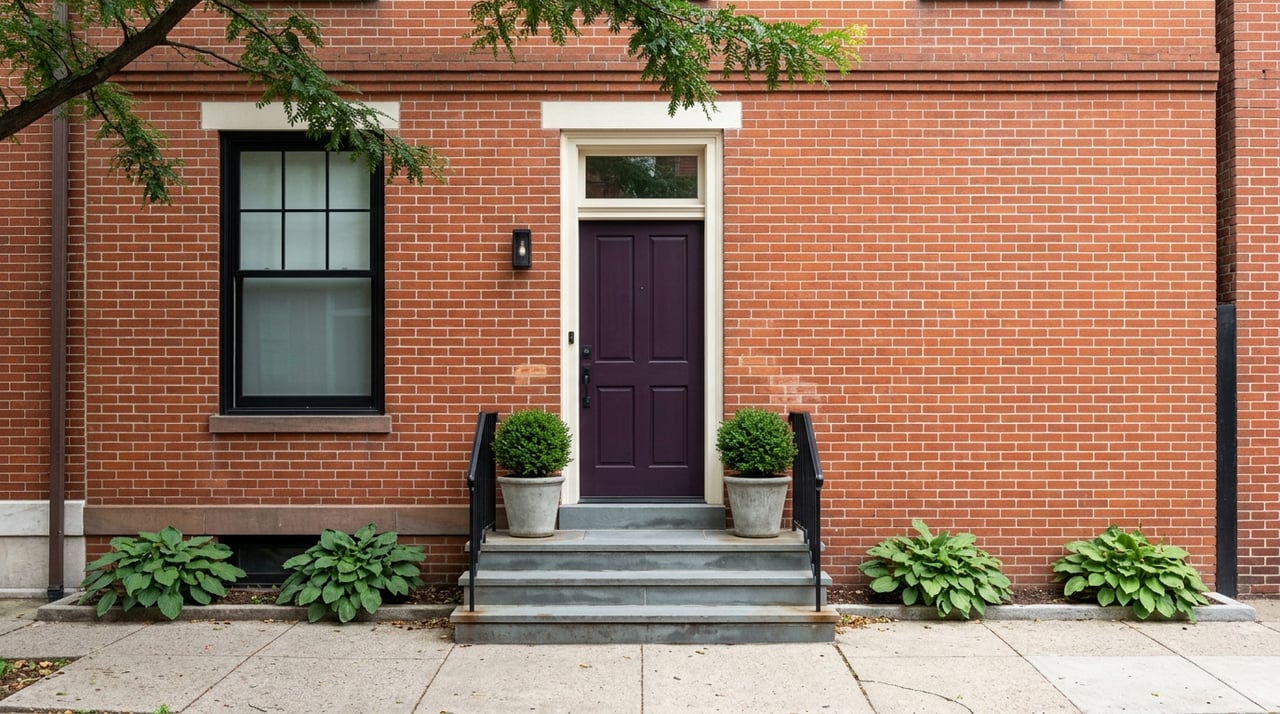
Bloomfield has an active business district along Liberty Avenue and a housing mix that includes compact row houses near the main corridors and more ornate Victorian homes a few blocks away. If you want a neighborhood where daily errands, coffee shops, and local businesses are part of your routine, Bloomfield stands out.
It is also a larger neighborhood population-wise than each Lawrenceville submarket. Bloomfield has 8,916 residents, compared with 4,730 in Central Lawrenceville, 2,537 in Upper Lawrenceville, and 2,448 in Lower Lawrenceville.
For first-time buyers, Bloomfield may feel like a more flexible entry point. The neighborhood has a median age of 32.71, and 32% of its housing is owner-occupied while 68% is renter-occupied.
Lawrenceville is larger in identity than it is as a single housing market. It includes Lower, Central, and Upper Lawrenceville, and each part can feel different when you are actually shopping for a home.
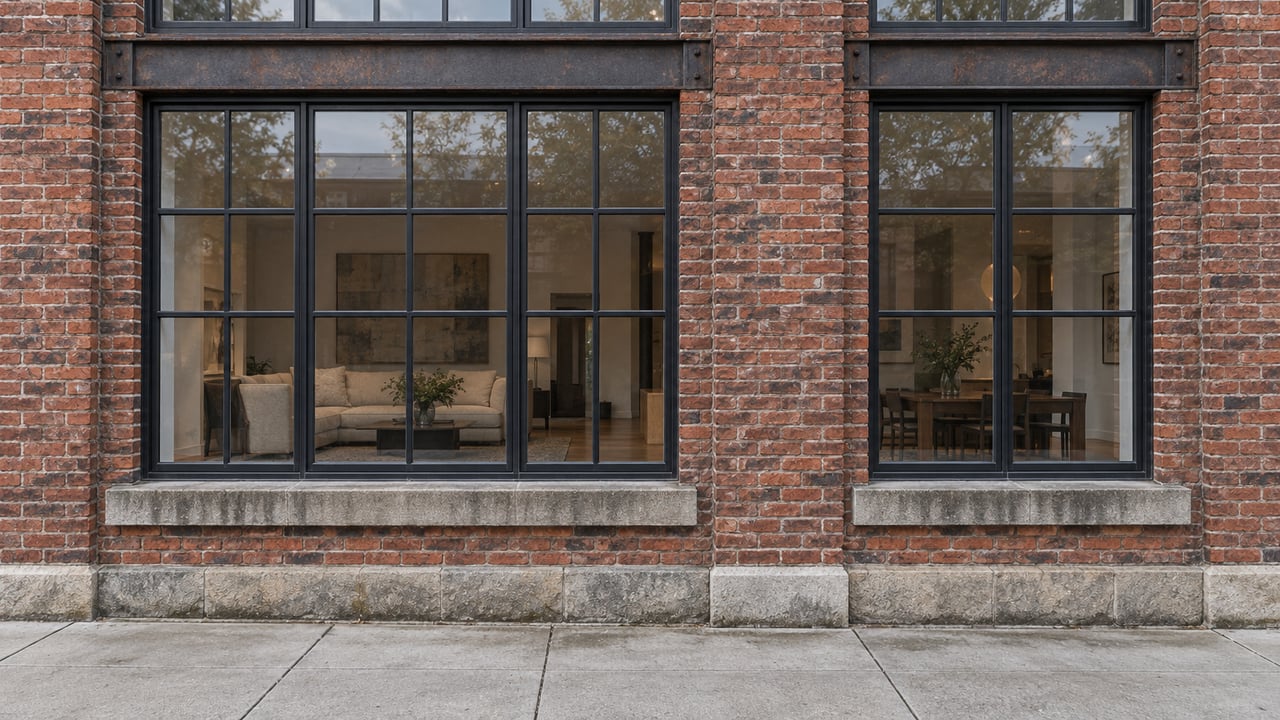
The neighborhood offers a mix of affordable housing, a busy Butler Street business district, and a wide range of home styles. Areas closer to Downtown include reclaimed row houses and newer townhomes, while the eastern part of Lawrenceville has larger single-family brick homes.
The owner-occupancy picture also varies by submarket. Central Lawrenceville is 53.9% owner-occupied, Lower Lawrenceville is 42.4% owner-occupied, and Upper Lawrenceville is 56% owner-occupied. That gives Lawrenceville a mix of denser, more rental-heavy blocks and more settled owner-occupied pockets.
For many first-time buyers, the biggest difference comes down to budget. Based on Realtor.com’s April 2026 snapshot, Bloomfield had a median listing price of $314,950 and a median sold price of $298,000.
Lawrenceville’s submarkets were notably higher. Central Lawrenceville had a median listing price of $485,000, Upper Lawrenceville was $449,450, and Lower Lawrenceville was $533,500.
Here is the simple takeaway: if your top priority is getting into a walkable East End neighborhood at a lower price, Bloomfield is usually the easier starting point. If you are comfortable stretching your budget for a different mix of housing options and stronger commercial density in some areas, Lawrenceville may still be worth the jump.
Both neighborhoods are known for older housing stock, and that matters. In Bloomfield, you will often find smaller rowhouses and older single-family homes that work well for buyers who want city convenience and a manageable footprint.
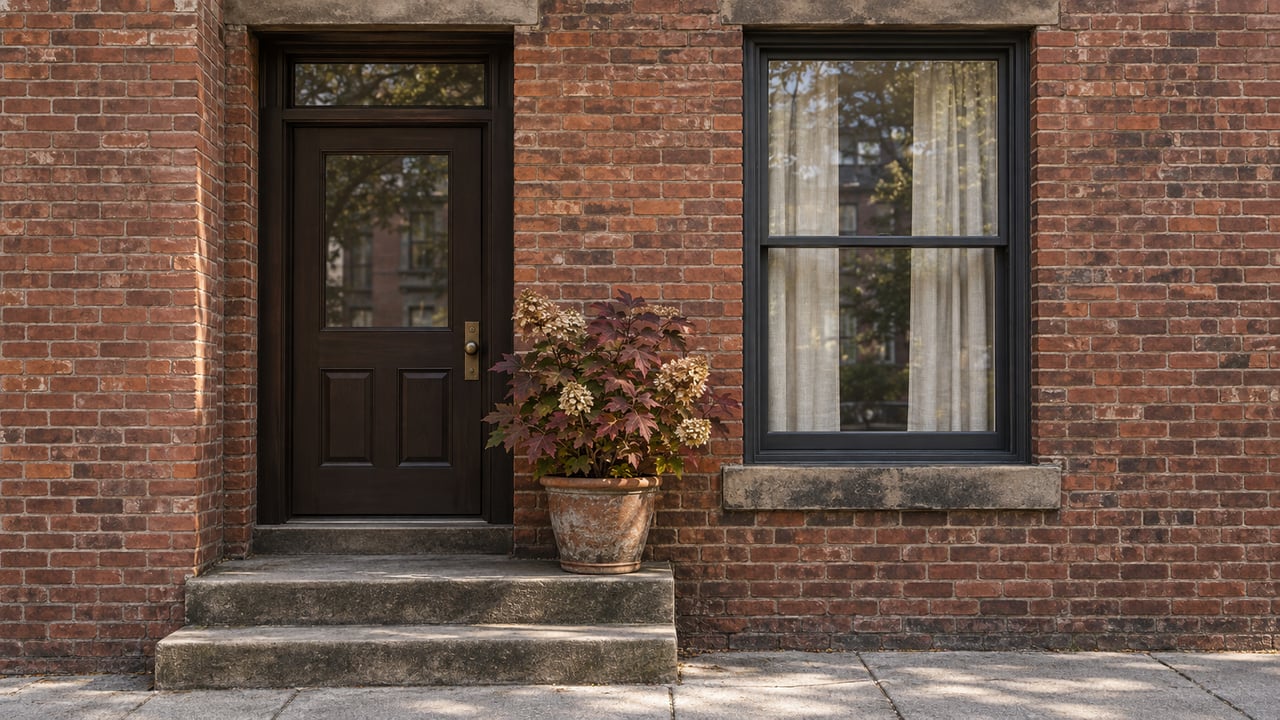
Lawrenceville offers more variety, but much of its housing is still modest attached row housing built in the early 20th century. Many homes are brick, often under 1,500 square feet, and some show signs of deferred maintenance or older exterior changes.
That means your search is not just about square footage. It is also about condition, layout, storage, and whether the home fits your renovation tolerance.
If you want to cut down on driving, both neighborhoods perform well, but Bloomfield has the edge overall. Walk Score rates Bloomfield at 92, compared with 86 for Lower Lawrenceville, 84 for Central Lawrenceville, and 74 for Upper Lawrenceville.
Transit access follows a similar pattern. Bloomfield and Lower Lawrenceville each score 62, Central Lawrenceville scores 52, and Upper Lawrenceville scores 42.
For everyday life, that can make a real difference. If you want to walk for errands, use transit often, and keep transportation costs lower, Bloomfield and the denser parts of Lawrenceville are the strongest fits.
Pittsburgh Regional Transit highlights several useful routes in both neighborhoods. In Bloomfield, key routes include 86, 64, 54, and 88 along Liberty Avenue and nearby corridors.
In Lawrenceville, PRT highlights 91 on Butler Street and 93 to Bloomfield and Oakland, along with 54, 64, and 88 for broader East End connections. For a first-time buyer, that supports a car-light lifestyle, especially in Bloomfield and Lower or Central Lawrenceville.
If you plan to own a car but not rely on it every day, Bloomfield may offer the easiest balance. Upper Lawrenceville is still walkable, but its lower walk and transit scores suggest more day-to-day driving for many households.
The charm of these neighborhoods often comes with extra homework. Because much of the housing stock in both Bloomfield and Lawrenceville is older, inspections and repair planning are especially important.
If you are buying a pre-1978 home, renovation work that disturbs lead-based paint can create lead dust. Common projects like window replacement, painting prep, plumbing, carpentry, and electrical work can trigger that concern, so it is smart to ask detailed questions before you budget for updates.
This does not mean you should avoid older homes. It means you should go in with a clear understanding of condition, likely repairs, and the right professionals for the work.
Buyers should also ask about water service-line material. In early 2026, Pittsburgh Water announced plans to replace about 1,610 lead service lines in Bloomfield, Shadyside, Highland Park, and Central Lawrenceville, with a broader goal of removing all lead service lines in its service area by 2027.
Because Pittsburgh Water uses historical records, construction records, and curb-box inspections in its lead-line program, it is worth asking whether a property’s service line is known and whether the block is scheduled for work. That is a small question that can help you better understand the property before closing.
In both neighborhoods, it is important to look beyond the listing photos. Some Lawrenceville homes sit on small lots, and some blocks have little or no off-street parking.
That may be perfectly fine for your lifestyle, especially if walkability is a priority. But if you need parking, outdoor storage, or more breathing room between homes, you will want to confirm those details early in your search.
Bloomfield’s compact housing stock can present similar tradeoffs. A smaller footprint can be easier to maintain, but it may also mean tighter layouts, less storage, or fewer outdoor features.
If you are dreaming about replacing windows, changing a roofline, or making major exterior updates, do not skip this step. The City of Pittsburgh says exterior work in a city-designated historic district requires Historic Review Commission approval, including projects such as window or roof replacement.
Before you assume you can remodel the exterior right away, confirm whether the property has any city-designated historic review requirements. This is especially important if you are counting on renovations to make the home work for your needs.
If your budget is tight and you want a walkable neighborhood with a lively business district, Bloomfield may be the better first stop. It offers a strong urban lifestyle at a lower typical entry price than Lawrenceville’s main submarkets.
If you want more housing variety and are comfortable with a higher budget, Lawrenceville may be a better match. Lower and Central Lawrenceville tend to be denser, more walkable, and more expensive, while Upper Lawrenceville often feels a bit more residential and owner-occupied.
A simple way to frame the choice is this:
Before you commit to one neighborhood, tour homes in both. The price gap between Bloomfield and Lawrenceville is important, but so are block-by-block differences, home condition, parking, and your comfort with renovation work.
This is where local guidance matters. A neighborhood may look similar on paper, but your experience can change quickly depending on the submarket, the street, and the condition of the home itself.
If you are weighing Bloomfield against Lawrenceville, the right move is usually the one that fits your monthly budget, your transportation habits, and your willingness to take on an older Pittsburgh home. For personalized guidance on East End neighborhoods and your first purchase, connect with the Darla Kay Jobkar Real Estate Team.
We are dedicated to helping you find your dream home and assisting with any selling needs you may have. Contact us today to start your home searching journey!