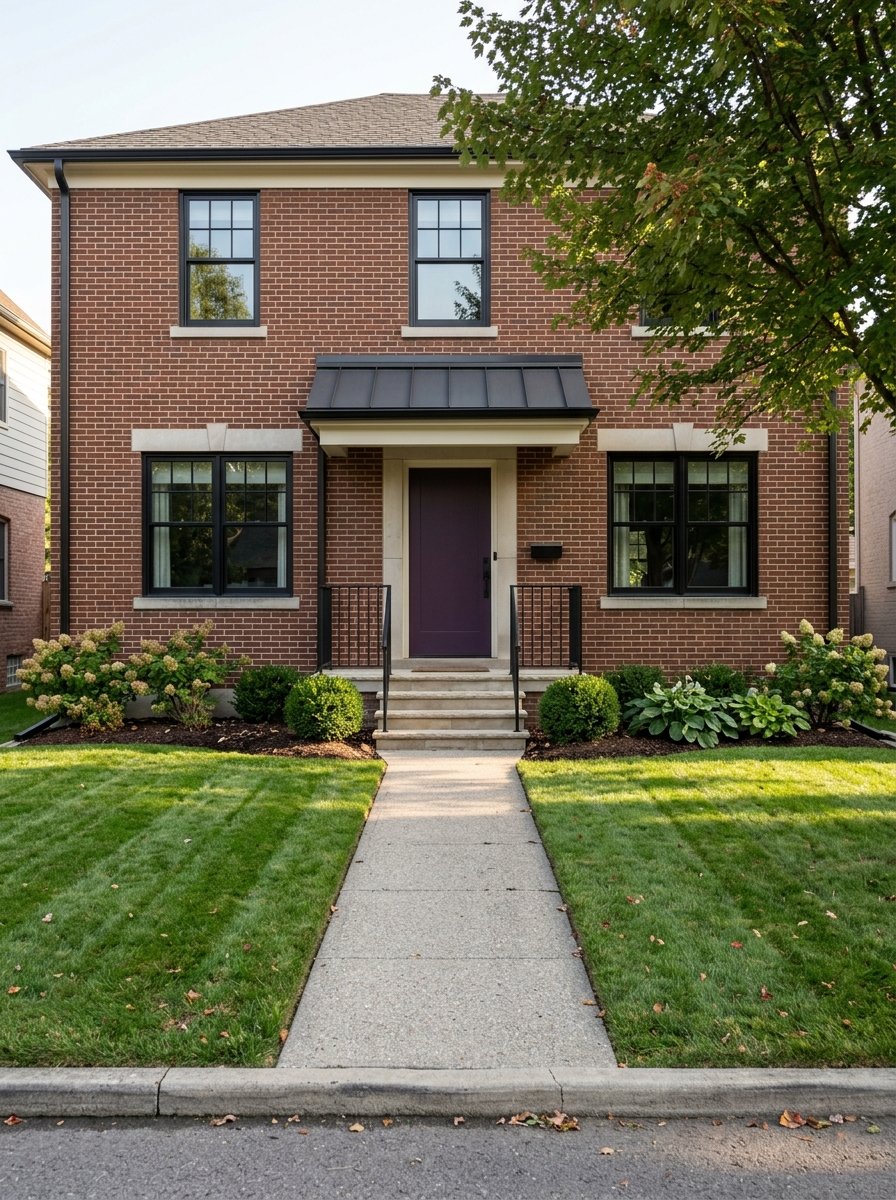
Selling Your Pittsburgh Home in Today’s Market: What to Know
June 4, 2026
June 4, 2026
Wondering whether now is the right time to sell your Pittsburgh home? You are not alone. Many homeowners are weighing higher mortgage rates, shifting buyer demand, and headlines that seem to point in different directions. The good news is that you can still sell in today’s market, but success depends more on strategy than luck. Let’s break down what that means for you in Pittsburgh.
The short answer is yes, you can sell your Pittsburgh home in today’s market. Current 2026 data shows a market that is softer and more negotiable than the pandemic peak, with more leverage on the buyer side than many sellers got used to a few years ago.
That does not mean homes are sitting with no activity. It means buyers have more choices, and they are making more careful decisions. In Pittsburgh, the homes that stand out are usually the ones priced correctly, well presented, and aligned with what buyers in that specific neighborhood expect.
Several market trackers describe Pittsburgh as a buyer’s market in 2026. Redfin reports substantially more sellers than buyers, while Realtor.com also labels the metro as a buyer’s market and reports about 3,300 active listings, a median sold price of $256,000, and 37 median days on market.
The exact numbers vary by source, but the direction is clear. Buyers have more room to negotiate than they did during the hottest years of the market. Zillow’s April 2026 snapshot also shows a median sale-to-list ratio of 0.975, with 64% of sales closing below list price.
For you as a seller, that means one important thing: you can sell, but you should expect negotiation. A hopeful asking price without strong support from recent comparable sales can make it harder to hold buyer interest.
One reason Pittsburgh continues to attract buyers is affordability. Redfin says the city’s median sale price over the three months ending in April 2026 was $245,000, which is about 41% below the national average.
That relative affordability helps keep the buyer pool broader than in many higher-cost markets. Even so, mortgage rates still affect what buyers can comfortably afford. Freddie Mac reported a 30-year fixed average of 6.36% on May 14, 2026, which means buyers are often more budget-conscious and selective.
Many sellers want to know if they missed the best time to list. Historically, Zillow’s Pittsburgh-specific research found that the last two weeks of May delivered the strongest premium, with sellers seeing about 2.2% more than the average week.
Because we are already in late May 2026, that peak window has just passed. But that does not mean you missed your chance. In a market like Pittsburgh’s, readiness matters more than chasing one ideal week on the calendar.
If your home is clean, repaired, priced well, and marketed properly, you can still compete effectively. The better question is not “Did I miss the perfect week?” but “Is my home ready to make a strong first impression right now?”
Pittsburgh is not one-size-fits-all. Citywide numbers can give you general context, but they do not tell the full story of what buyers are doing in your area.
Realtor.com’s neighborhood data shows major variation in listing prices across the city. East End has a median listing price of $365,000, South Side is at $225,000, North Side is at $221,950, Central Pittsburgh is at $320,000, South Side Flats is at $314,950, Shadyside is at $394,500, Squirrel Hill South is at $377,000, Mount Washington is at $279,900, Carrick is at $147,000, and Downtown Pittsburgh is at $399,900.
Days on market also vary by area. Realtor.com reports a range from 43 days in East End to 86 days in Central Pittsburgh. That is a big spread, and it is exactly why pricing your home off a broad city average can lead you in the wrong direction.
Your pricing strategy should come from recent nearby comparable sales, not just an online estimate or a citywide median. In a market where many homes sell below list price, pricing too high can quickly reduce leverage.
Redfin says Pittsburgh homes sell for about 3% below list on average and receive about 3 offers. That tells you there is still movement in the market, but it also suggests buyers are not rushing to overpay unless a home is especially well positioned.
In today’s market, overpricing is often more costly than underpricing. When buyers have options, they can scroll past a listing that feels ambitious and focus on homes that seem better aligned with current value.
A strong list price helps attract serious showings early. That early activity matters because the first days on market often shape buyer perception. If your home enters the market at a price buyers can support, you are more likely to generate interest and stronger negotiation footing.
You may need a more careful pricing strategy if:
In a more competitive market, condition and presentation can make a real difference. Buyers are comparing more listings, so they notice clutter, deferred maintenance, dated finishes, and weak photography faster than they might have during a low-inventory frenzy.
Zillow’s research says homes marketed with high-resolution photos, 3D Home tours, and interactive floor plans can sell for about 2% more than similar homes. It also found that homes not included on the MLS sell for a median of 1.5% less, which underscores how important broad exposure can be.
For Pittsburgh sellers, this supports a practical approach: prepare the home before it goes live, then launch with a polished digital presentation. That is especially important when buyers may decide whether to schedule a showing based on online photos alone.
Before you list, focus on the basics that buyers notice most:
Some homes in Pittsburgh are still getting multiple offers. In a softer market, turnkey condition can help separate your listing from similar options.
Selling is not just about the list price. Your net proceeds matter too, so it helps to understand local requirements early.
In Pennsylvania, sellers must complete the state’s Seller’s Property Disclosure Statement and disclose known material defects that are not readily observable. The form itself states that it is not a warranty, but it is a required part of the process.
If your property is in the City of Pittsburgh, local transfer tax should also be part of your planning. Allegheny County notes that the realty transfer tax is collected at recording, and its City of Pittsburgh example reflects a total 5% transfer tax.
If your move is ready, the answer is often yes. Pittsburgh remains active enough to support sales, and its relative affordability continues to draw buyers into the market.
But this is not a list-it-and-wait market. Today’s sellers are most likely to succeed when they combine realistic pricing, neighborhood-specific analysis, strong preparation, and polished marketing.
That is where local guidance can make a real difference. Pittsburgh has too many micro-markets for a generic strategy to work everywhere. A home in Shadyside, Mount Washington, Carrick, or the South Side may each need a different pricing and launch plan.
If you are thinking about selling, the best next step is to look at your home through the lens of today’s neighborhood data, current buyer expectations, and your timing goals. For personalized guidance, request a free home valuation or schedule a market consultation with Darla Kay Jobkar Real Estate Team.
We are dedicated to helping you find your dream home and assisting with any selling needs you may have. Contact us today to start your home searching journey!