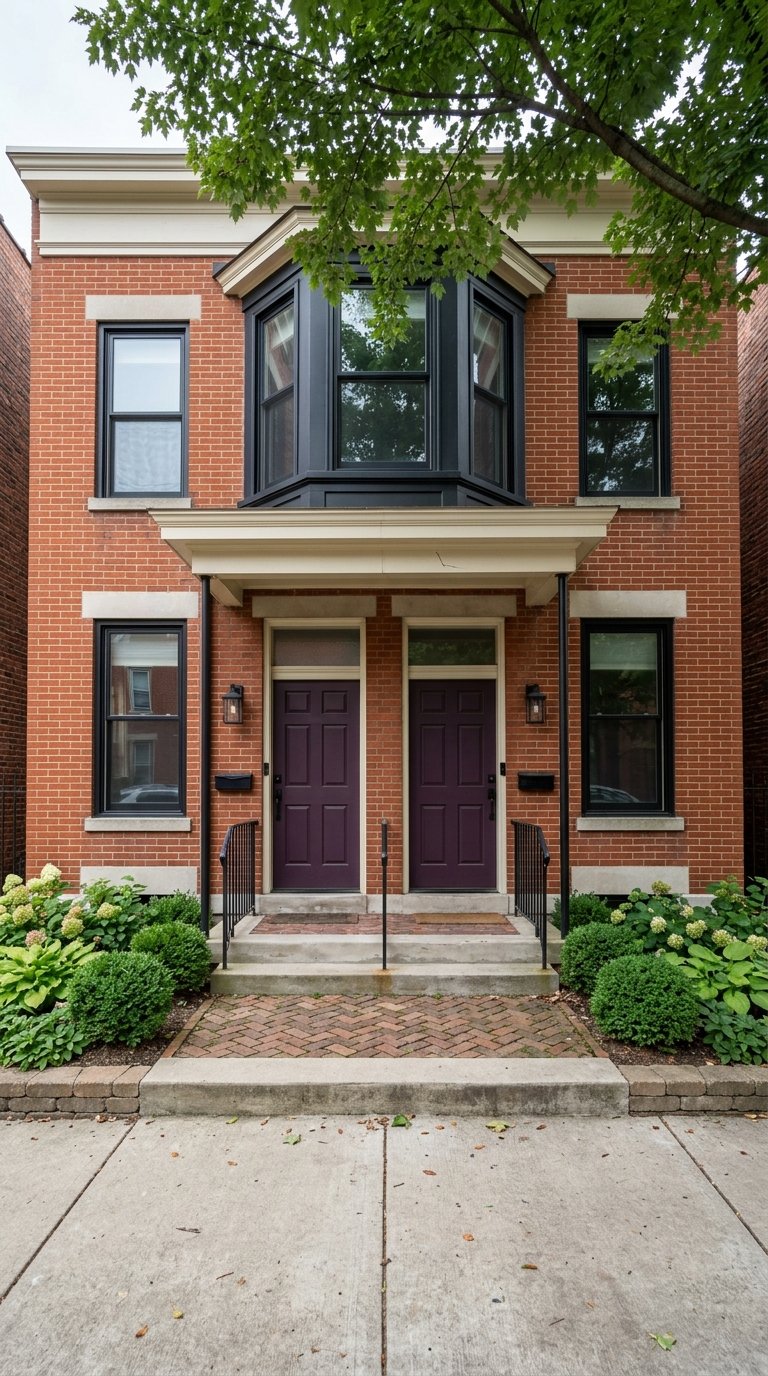
Your Practical Pittsburgh Duplex and Triplex Investment Guide
April 16, 2026
April 16, 2026
If you have been thinking about buying a Pittsburgh duplex or triplex, you are not alone. Small multifamily properties can look appealing because they may produce rental income while giving you a path to build equity in one purchase. The key is knowing that Pittsburgh is a market of many submarkets, and a smart deal depends on price, rent potential, financing, and legal use. Let’s dive in.
Duplexes and triplexes appeal to many buyers because they can serve more than one goal at the same time. You might want to live in one unit and rent the others, or you may be looking for a pure investment property with multiple income streams.
Pittsburgh offers a wide range of entry points for that strategy. According to current Pittsburgh multi-family listings, there are 168 multi-family homes for sale at a median listing price of about $285,000, and those listings spend about 109 days on market. For broader context, the citywide median sale price for all home types was $235,000 in February 2026.
One of the biggest mistakes investors make is treating Pittsburgh like a single pricing bucket. In reality, neighborhood pricing for duplexes and triplexes can vary dramatically.
At the premium end, small multifamily median listing prices are about $750,000 in Central Lawrenceville and $700,000 in Bloomfield. On the more affordable end, current small multifamily median listing prices are about $228,000 in Brookline, $249,000 in Beechview, and $170,000 in Carrick, based on recent neighborhood multifamily listings.
That spread matters because it changes your likely down payment, renovation budget, cash reserves, and rent expectations. It also means your best fit depends on whether you are aiming for lower entry cost, stronger rent benchmarks, or long-term appreciation potential.
Central Lawrenceville and Bloomfield often sit at the premium end of the small multifamily market. Those areas can command higher asking prices, which may reflect location, demand, and rent potential.
For general sale-price context across all housing types, Central Lawrenceville was about $395,500 and Bloomfield about $287,500, based on neighborhood housing market data. If you are shopping in these areas, expect tighter numbers and more pressure to analyze cash flow carefully.
Brookline, Beechview, and Carrick can offer a lower-cost starting point. That lower basis may give you more flexibility if you are a first-time investor or an owner-occupant trying to keep your upfront costs manageable.
For example, Brookline small multifamily listings are around $228,000, Beechview around $249,000, and Carrick around $170,000. That does not automatically mean better returns, but it may create a more realistic path into the market if premium neighborhoods are out of reach.
Rent is a major part of the duplex or triplex equation, but it is important to stay grounded in market context. The available data gives you useful benchmarks, though not every figure is specific to duplexes only.
For citywide context, Apartments.com rent trends report an average Pittsburgh rent of $1,417 per month as of April 2026. HUD’s FY2026 fair market rents for the Pittsburgh HMFA are $1,077 for a one-bedroom, $1,299 for a two-bedroom, $1,661 for a three-bedroom, and $1,789 for a four-bedroom, according to HUD rent data.
Neighborhood rent benchmarks also show a meaningful spread. Redfin’s rental tracker reported median rents of $1,995 in Central Lawrenceville, $1,299 in Bloomfield, and $1,650 in Brookline, based on Pittsburgh rental market data.
A practical way to read this data is to treat Lawrenceville as a high-rent benchmark, Bloomfield as a middle benchmark, and Brookline as a more value-oriented benchmark. That can help you set realistic expectations as you compare neighborhoods.
Still, you should not assume a duplex in one area will automatically hit the neighborhood median. Unit size, condition, updates, utility setup, parking, and legal use all affect rent potential.
In Pittsburgh, a duplex and a triplex are not interchangeable from a zoning standpoint. The city’s zoning code separates Two-Unit Residential, Three-Unit Residential, and Multi-Unit Residential uses, as shown in the City of Pittsburgh use classifications handout.
That means you should never assume a building can legally function as a duplex or triplex just because it looks like one. A property’s current legal use, occupancy history, and zoning district all need to line up.
The City of Pittsburgh explains that zoning districts regulate potential uses, while the Certificate of Occupancy documents how a property is legally allowed to be used. The city also offers Property Certification, which can help buyers and lenders verify zoning district, legal use, occupancy permit status, historic district status, and active code violations.
Before you make an offer, verify:
This step is especially important if you are considering a conversion or a value-add project.
Pittsburgh’s housing needs assessment found that multi-unit residential development is by-right on only 23% of the city’s land area. It also found that only 37% of land within a half-mile of a transit station permits multi-unit residential by-right, according to the Pittsburgh housing needs assessment.
In plain English, that means you should not assume adding units or changing use will be simple. Lot dimensions can also matter because the city says minimum lot size legislation is now in effect citywide.
Financing is one of the biggest differences between buying a small multifamily property and buying a single-family home. The rules often change based on whether you will live in one unit or hold the property strictly as an investment.
For many buyers, owner-occupant financing is where duplexes and triplexes become most practical. That is because lower down payment options may be available, and rental income from other units may help you qualify.
FHA-insured mortgages can be used for two- to four-unit properties, and FHA says the minimum required investment is 3.5% in most cases, according to HUD guidance. That can be attractive if you plan to live in one unit.
Conventional financing becomes stricter as unit count rises. Freddie Mac’s current guidelines allow up to 95% loan-to-value for a two-unit primary residence, 80% for a three- or four-unit primary residence, and 75% for a two- to four-unit investment property, based on Freddie Mac LTV requirements.
One reason buyers look at duplexes and triplexes is that rental income may support the loan application. Freddie Mac says income from the other units can be added to total borrower income when calculating housing expense and debt-to-income ratios, as outlined in its 2- to 4-unit mortgage guidance.
That does not make a triplex easier than a single-family home in every case. Underwriting and appraisal are usually more detailed, but documented rent can improve the overall picture for an owner-occupant buyer.
Small multifamily appraisals often involve more analysis than single-family appraisals. Fannie Mae requires the income approach in valuing two- to four-unit properties, according to the Fannie Mae Selling Guide.
You should also plan for closing costs on top of your down payment. The CFPB says closing costs typically run 2% to 5% of the purchase price, based on CFPB homebuying guidance.
If you are trying to choose where to invest, start by getting honest about your priorities. Are you looking for a lower purchase price, stronger rent benchmarks, or a neighborhood with a premium pricing profile?
Based on current asking prices, Brookline, Beechview, and Carrick may be practical entry points for buyers focused on affordability. Lawrenceville and Bloomfield generally sit at the higher end and may appeal more to buyers who are comfortable with larger upfront costs and want exposure to stronger pricing and rent benchmarks.
That does not mean one option is automatically better. A strong purchase often comes down to buying the right property at the right number, with legal use confirmed and realistic rent assumptions.
If you want to approach this market with fewer surprises, keep your process simple and disciplined.
A Pittsburgh duplex or triplex can be a smart move, but only if you treat it like a numbers-and-details purchase, not just a real estate trend. Price points vary widely across the city, financing changes based on occupancy and unit count, and zoning questions can make or break the deal.
If you want help comparing neighborhoods, weighing owner-occupant versus investment options, or identifying multifamily opportunities across Greater Pittsburgh, the Darla Kay Jobkar Real Estate Team can help you build a plan that matches your goals.
We are dedicated to helping you find your dream home and assisting with any selling needs you may have. Contact us today to start your home searching journey!